Vision is one of our most precious senses, yet millions of people around the world suffer from preventable or treatable vision problems. Community Eye Care Outreach programs are designed to bridge the gap between eye health services and the people who need them most, particularly in underserved areas. By bringing eye care directly into communities, these initiatives play a crucial role in preventing blindness, improving quality of life, and fostering overall well-being.
The Importance of Community Eye Care
In many parts of the world, access to eye care is limited by geographic, economic, and educational barriers. Rural and low-income populations often face significant challenges in obtaining even basic eye care services. Community Eye Care Outreach programs aim to overcome these obstacles by providing comprehensive eye care services at the grassroots level.
These programs are vital because:
- Early Detection and Treatment: Many eye conditions, such as cataracts, glaucoma, and diabetic retinopathy, can lead to permanent vision loss if not detected and treated early. Community outreach ensures timely diagnosis and intervention.
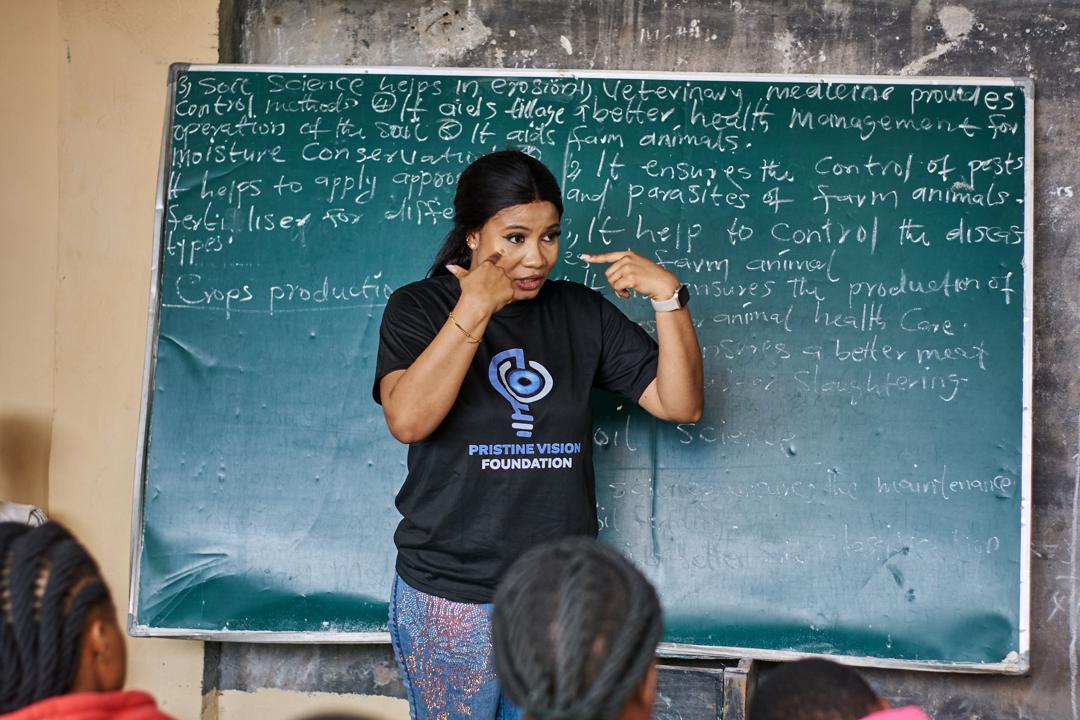
- Education and Awareness: Outreach programs educate communities about the importance of eye health, the risks of neglecting it, and the benefits of regular eye check-ups.
- Accessibility: By bringing services directly to communities, outreach programs eliminate the need for long, costly trips to urban centers, making eye care accessible to everyone.
Key Components of Community Eye Care Outreach
- Mobile Clinics
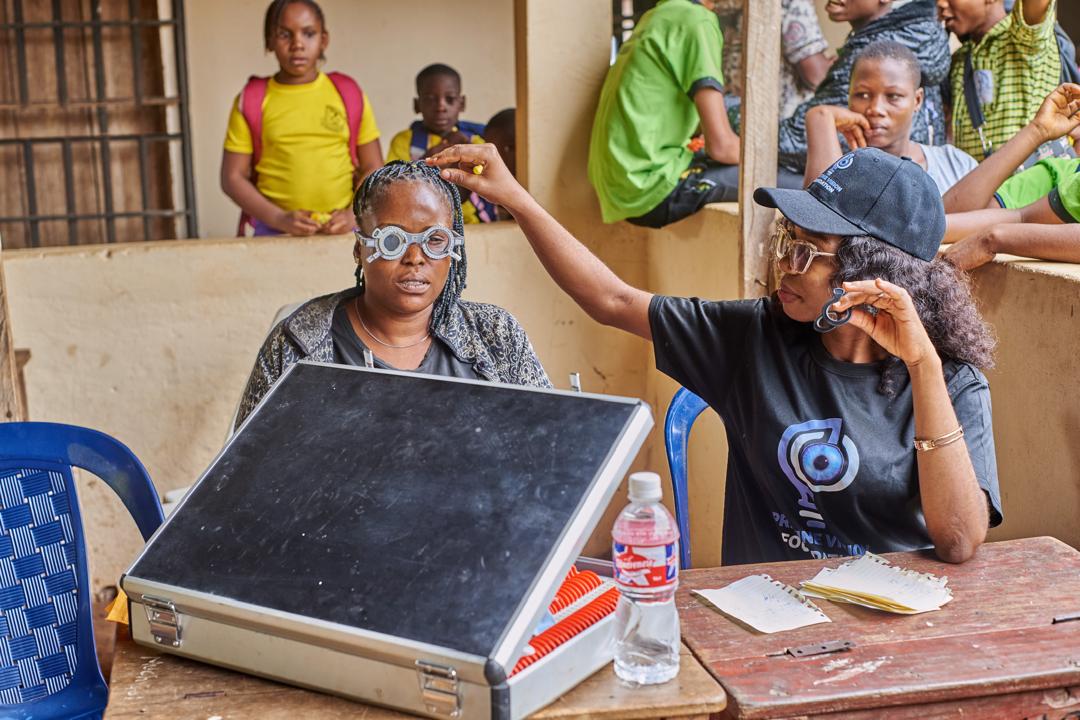
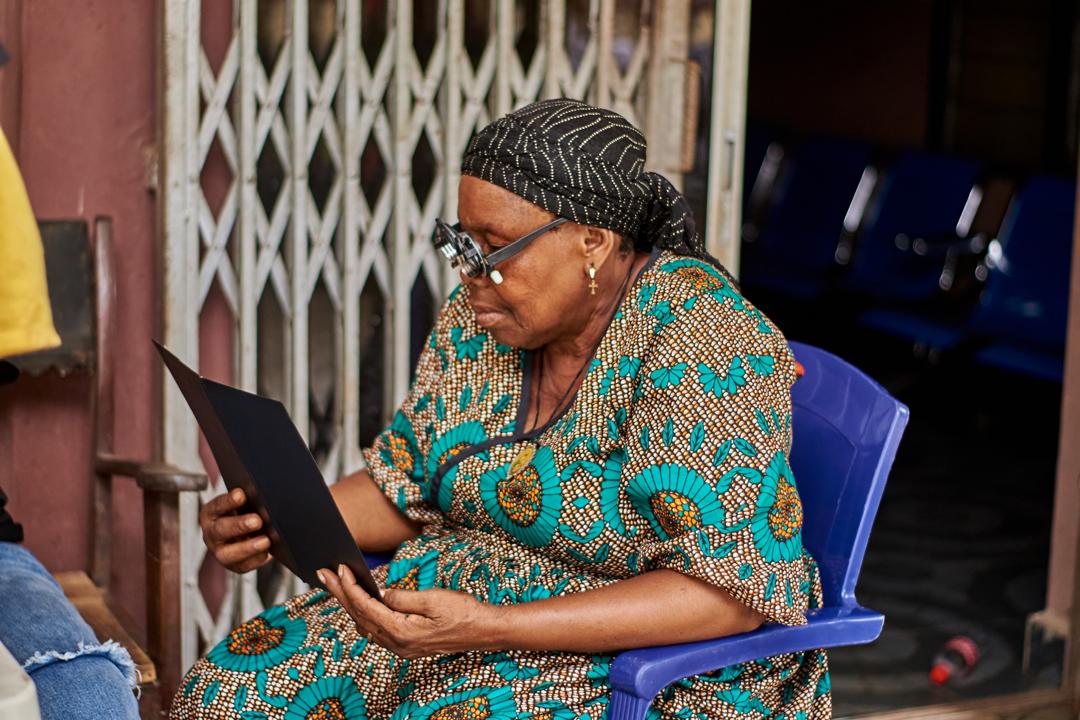
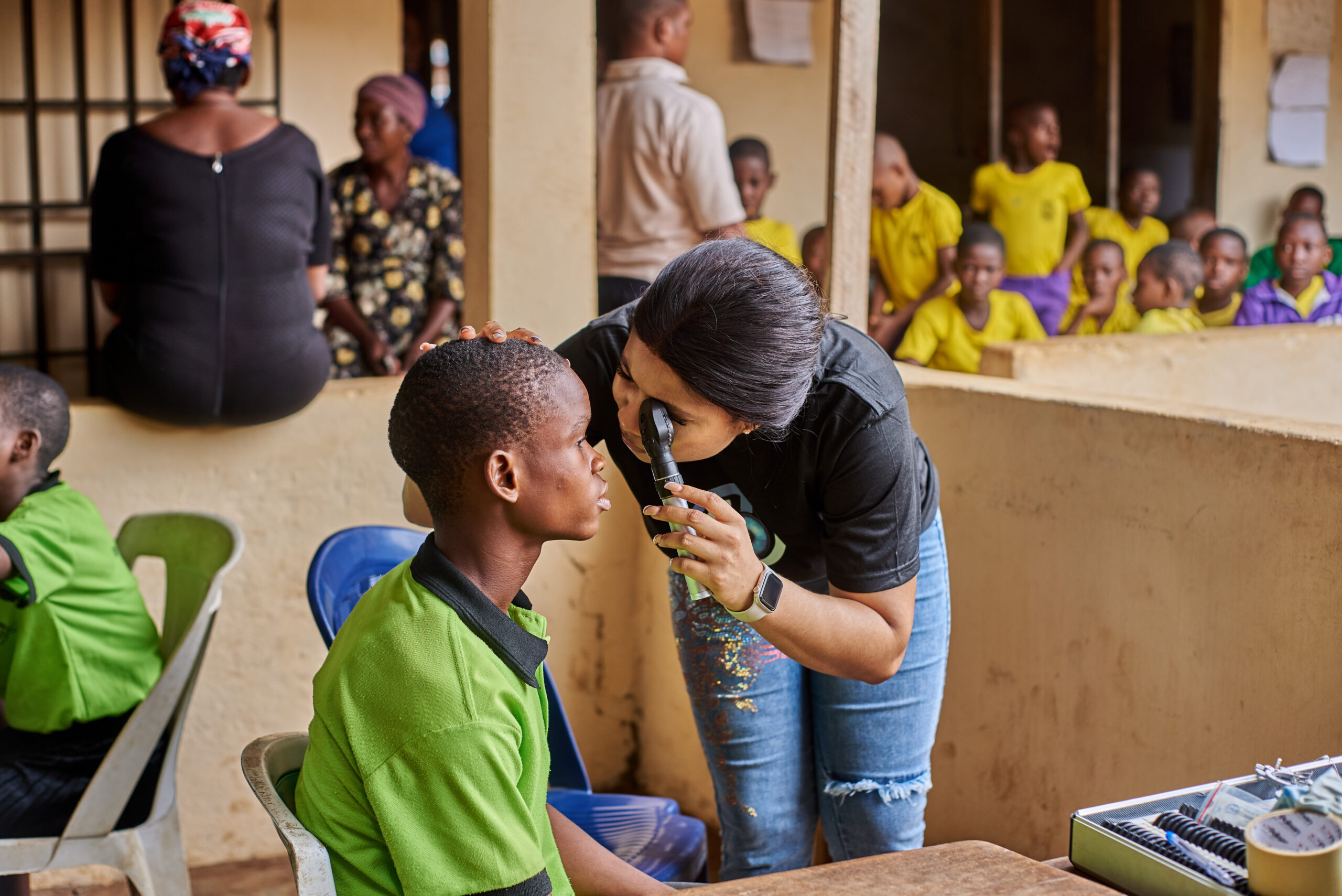
Mobile eye clinics are at the heart of many outreach programs. These clinics are equipped with the necessary tools and staffed by trained eye care professionals who travel to remote areas to provide on-site eye examinations, distribute corrective lenses, and perform minor procedures. Mobile clinics are flexible and can be deployed to reach the most inaccessible regions.
- Screening Camps
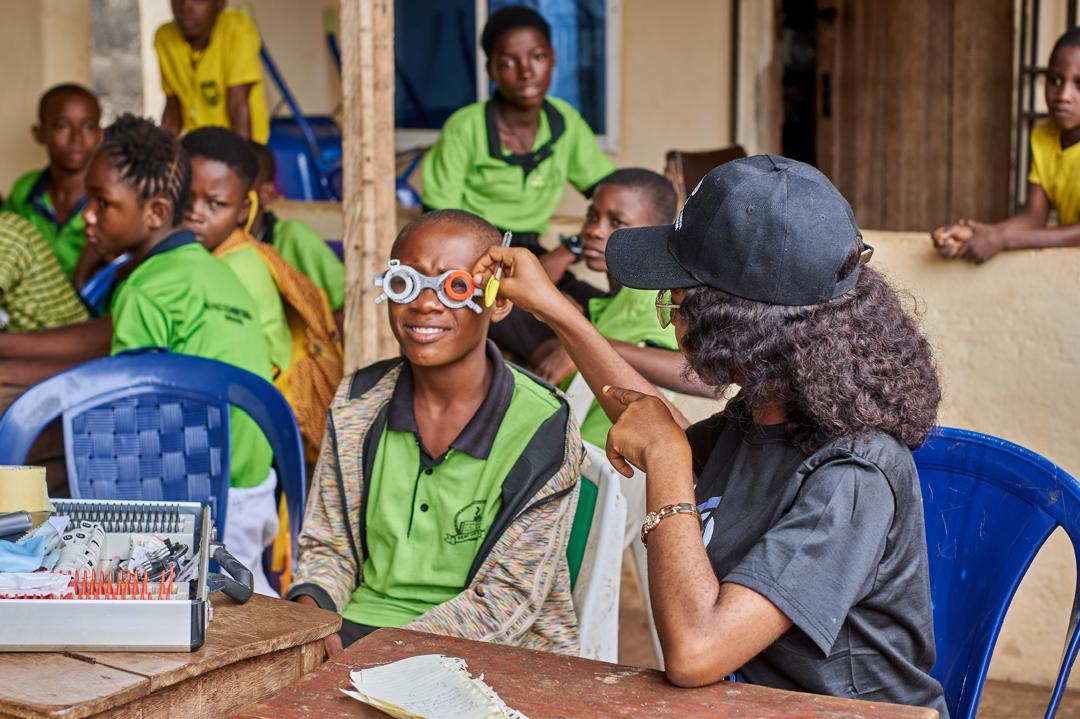
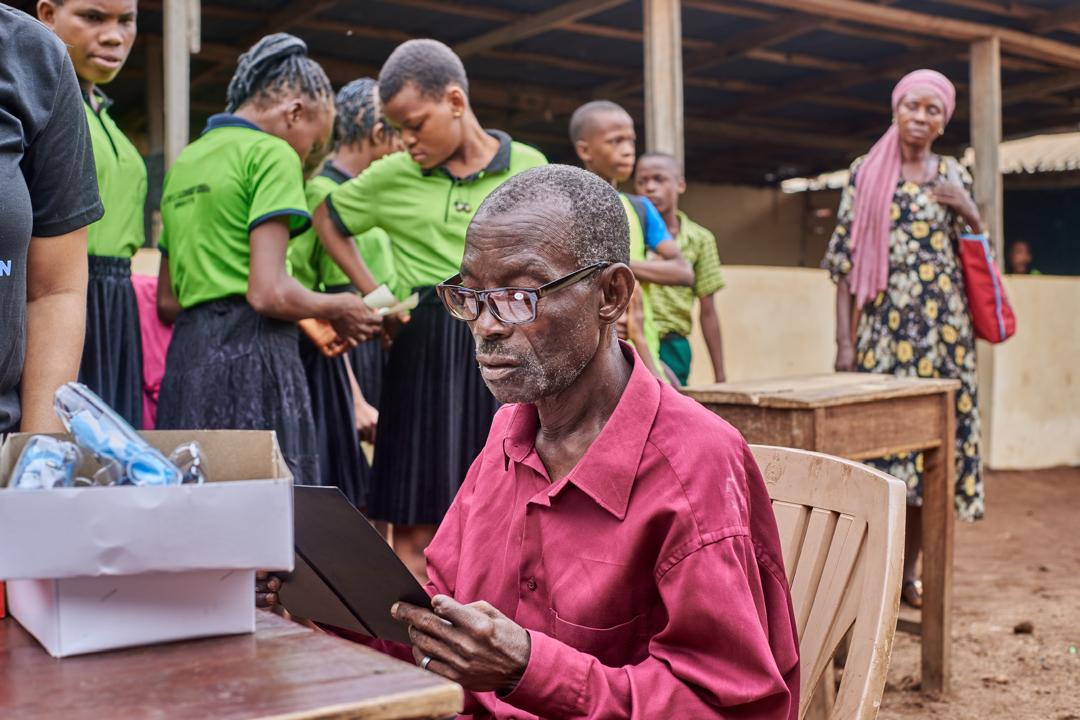
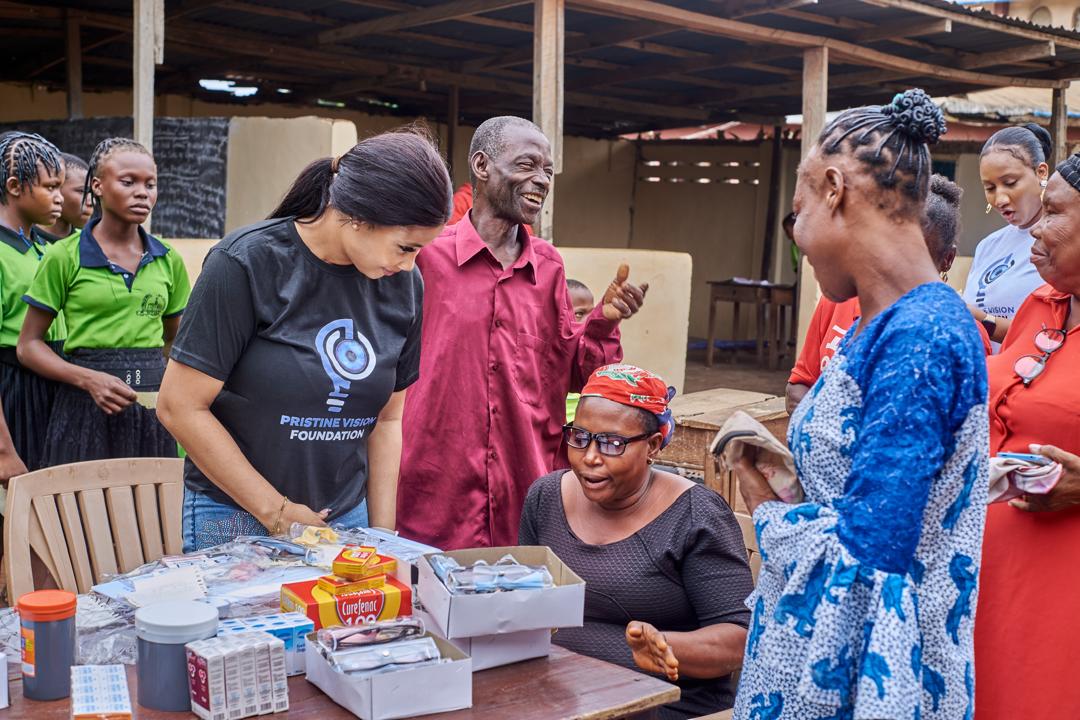
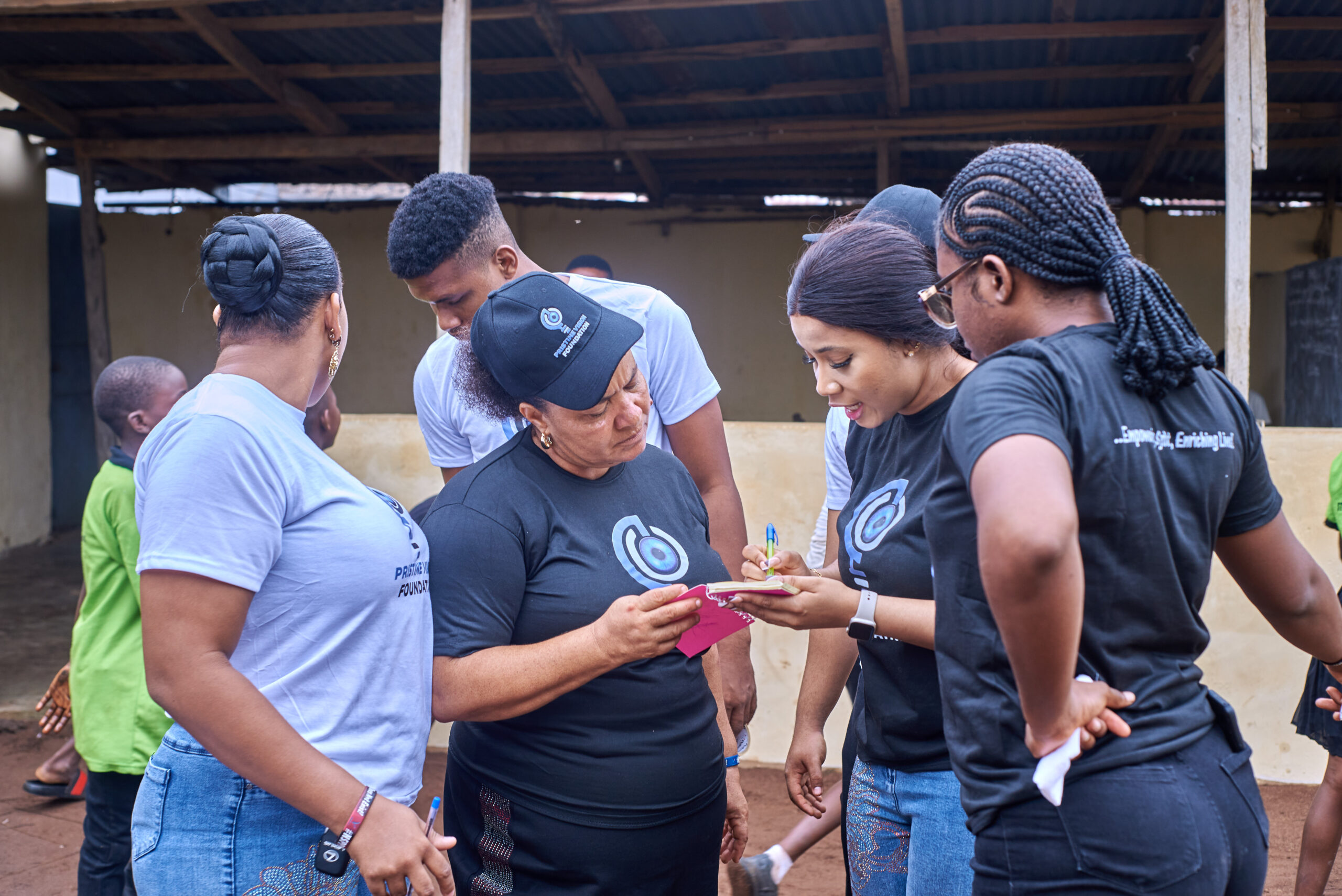
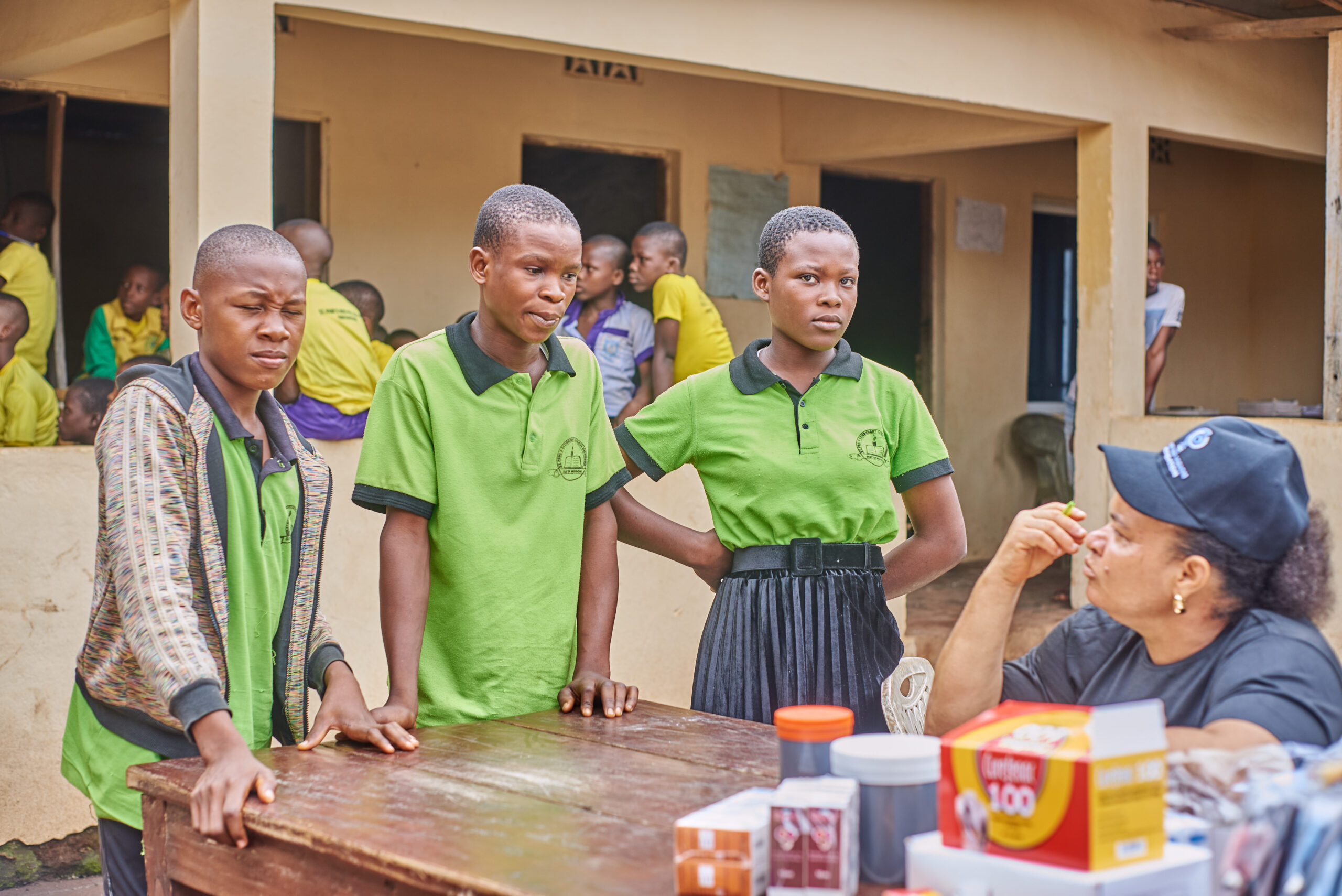
Eye screening camps are organized in collaboration with local health centers, schools, and community organizations. These camps offer free vision screenings to identify individuals with eye conditions. Participants with more serious issues are referred to specialized facilities for further treatment.
- Distribution of Eyewear
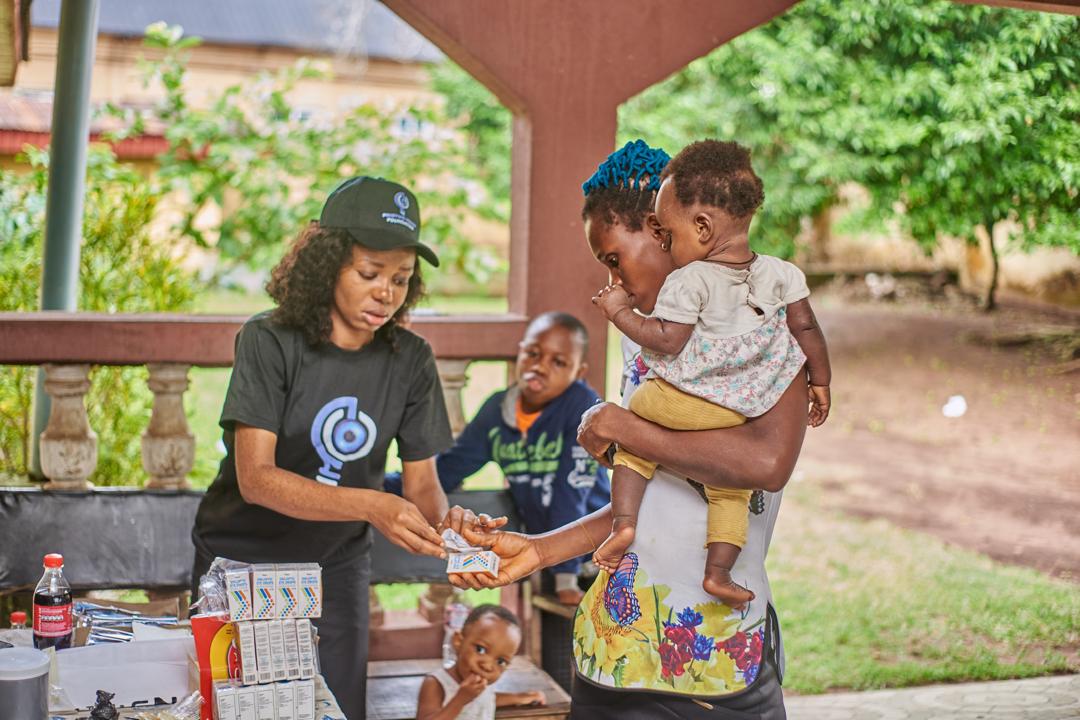
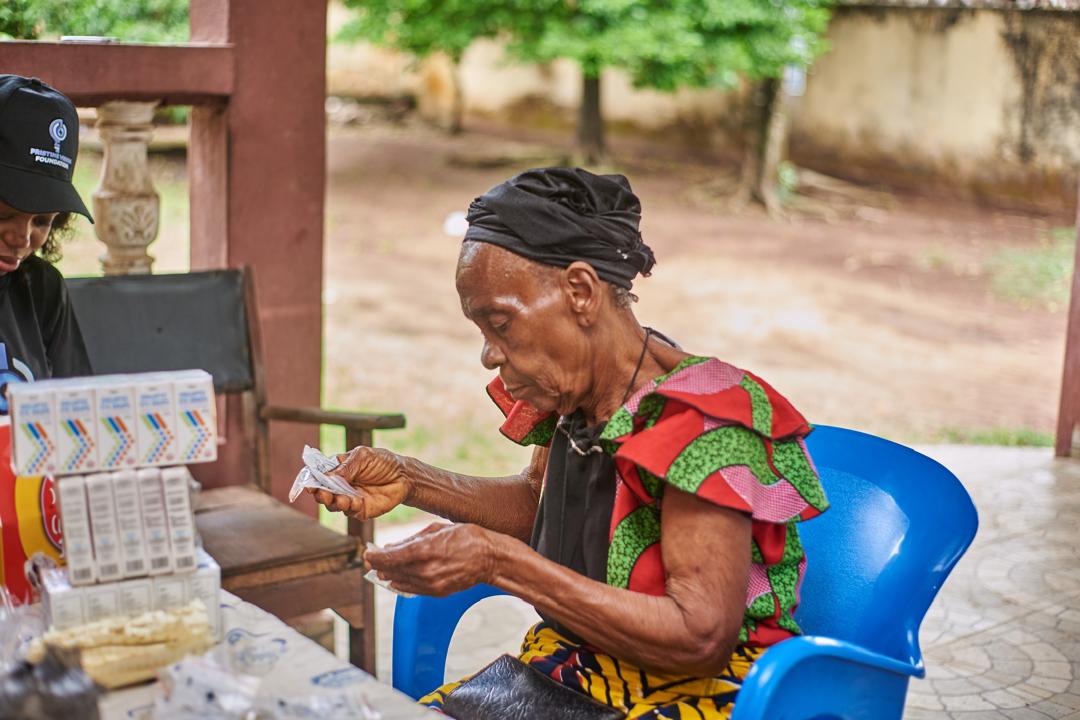
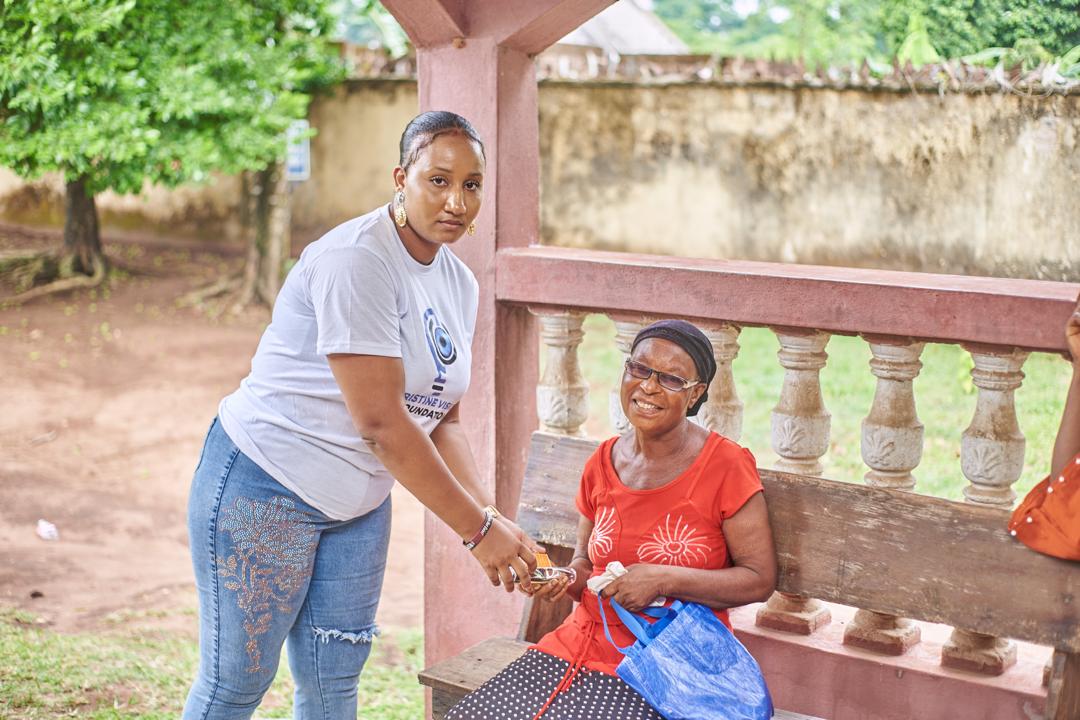
Many vision problems can be corrected with eyeglasses. Community outreach programs often include the distribution of free or subsidized eyeglasses. This simple intervention can drastically improve an individual’s ability to work, learn, and perform daily tasks.
- Surgical Interventions
For conditions like cataracts, which cannot be corrected with glasses alone, surgical camps are organized. These camps provide free or low-cost surgeries, restoring sight to individuals who may have been living with avoidable blindness for years.
- Training and Capacity Building
Outreach programs also focus on training local health workers and volunteers. By building local capacity, these programs ensure sustainable eye care solutions that continue to benefit the community long after the outreach team has left.
The Impact of Community Eye Care Outreach
The benefits of these programs are profound and far-reaching:
- Improved Quality of Life: Restoring vision or preventing vision loss significantly enhances an individual’s quality of life. People can return to work, children can perform better in school, and the elderly can maintain their independence.
- Economic Benefits: Improved vision leads to greater productivity and reduces the economic burden of visual impairment. Families save on healthcare costs, and communities benefit from a more active and able population.
- Community Empowerment: By involving community members in eye health initiatives, outreach programs empower individuals with knowledge and skills, fostering a sense of ownership and responsibility for their own health.
Challenges and the Path Ahead
Despite their success, community eye care outreach programs face several challenges:
- Funding and Resources: Sustaining these programs requires continuous funding and resources. Partnerships with governments, NGOs, and private sectors are crucial for long-term viability.
- Cultural Barriers: In some areas, cultural beliefs and stigmas associated with eye care can hinder participation. Effective communication and community engagement are key to overcoming these barriers.
- Infrastructure: Limited infrastructure in remote areas can complicate the delivery of services. Innovative solutions, such as telemedicine and portable diagnostic tools, are helping to address these challenges.
Conclusion
Community Eye Care Outreach programs are a beacon of hope for millions of people living with visual impairment. By bringing essential eye care services directly to those in need, these initiatives help to prevent blindness, restore sight, and improve lives. As we look to the future, it is imperative to support and expand these programs, ensuring that everyone, regardless of location or income, has the opportunity to enjoy the gift of clear vision.
Together, we can create a world where everyone can see clearly and live fully. Let’s continue to champion and invest in Community Eye Care Outreach, illuminating the path to a brighter, more inclusive future.




Leave a Reply